ALTARS CONTINUATION – TYPES OF ALTARS
Scripture reveals that godly altars bring worship, covenant and victory, while evil altars cause bondage. Through Christ, believers overcome fear, stagnation, rejection and lack by prayer, God's Word, the Blood of Jesus, faith and obedience.
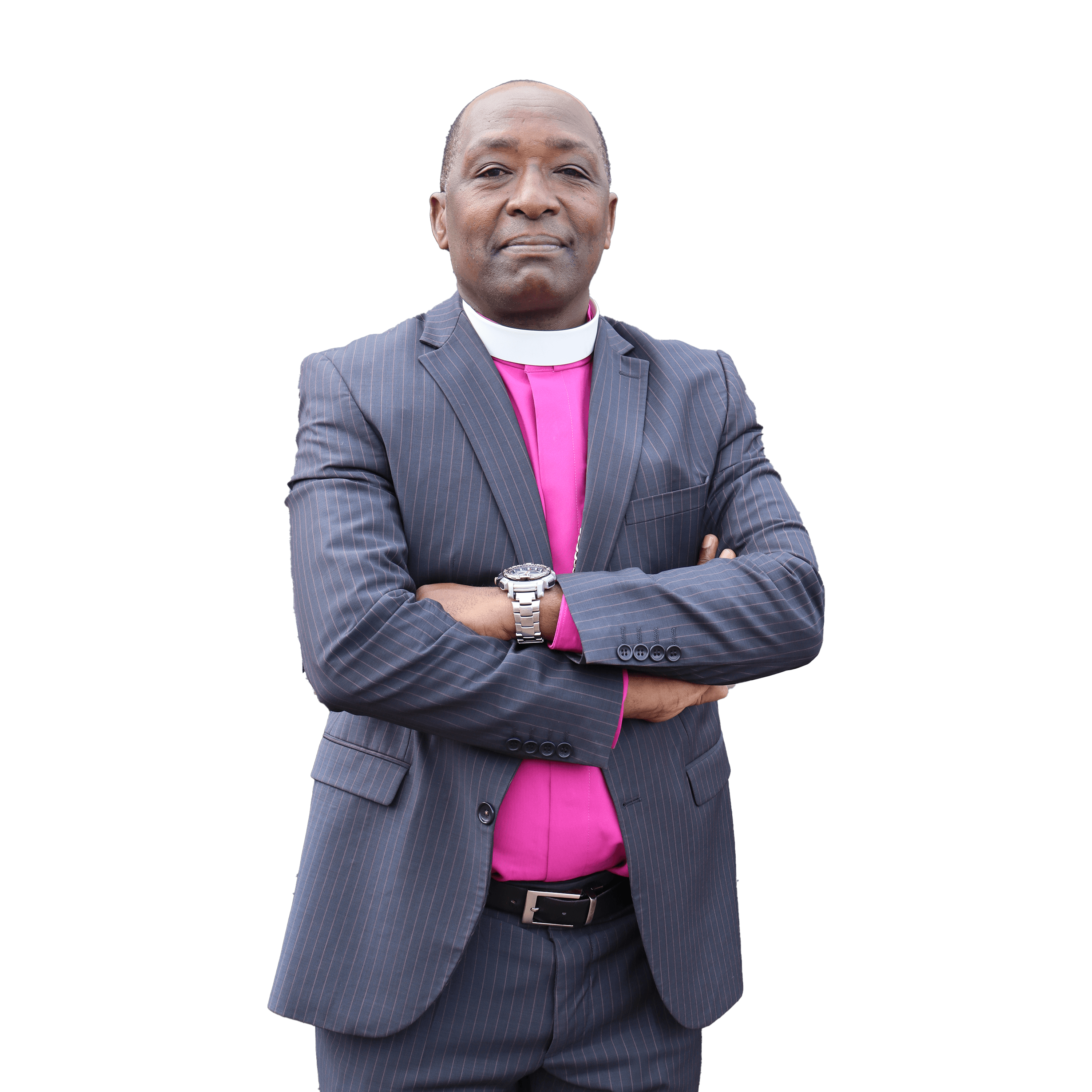
Bishop Dr. Paul G. Wanjohi
Senior Pastor
Series
ALTARS
Sermon Recording
“Galatians 6:17”
Throughout Scripture, altars represent places of covenant, worship, sacrifice, and spiritual influence. Godly altars draw people closer to God, while ungodly altars become places of bondage and oppression. Through Jesus Christ, believers have authority to overcome every evil altar and establish lives of prayer, holiness, and obedience.
1. Altar of Rejection
Reference: Galatians 6:17
Believers should never allow rejection to determine their destiny. Our identity is found in Christ, not in people's opinions.
Being overlooked for promotion despite good performance.
Feeling rejected within the family.
Being excluded because of your faith.
2. Altar of Near Success Syndrome
Reference: Deuteronomy 34:4
God desires His children to finish well and possess His promises.
Missing opportunities at the final stage.
Businesses collapsing before success.
Repeated delays before breakthroughs.
3. Altar of Premature Death
Reference: Psalm 118:17
God desires His people to fulfil their purpose and declare His works.
Repeated deaths in a family.
Life-threatening illness.
Dangerous accidents.
4. Altar of Stagnation
Reference: Micah 2:13
God is able to break every barrier and move His people forward.
Years without promotion.
Business not growing.
Delayed life milestones.
5. Altar of Generational Curses
Reference: Romans 2:25
Christ brings freedom and calls every generation to walk in obedience.
Recurring poverty.
Repeated addictions.
Family conflicts across generations.
6. Altar of Attacks on Dreams
Reference: Psalm 121:7
The Lord preserves His people from evil and watches over them.
Persistent frightening dreams.
Night oppression.
Anxiety after sleep.
7. Altar of Spiritual Weakness
Reference: Isaiah 40:31
Those who wait upon the Lord receive renewed strength.
Loss of desire to pray.
Giving up easily.
Spiritual weariness.
8. Altar of Confusion
Reference: 1 Corinthians 14:33
God is the author of peace, not confusion.
Difficulty making decisions.
Family misunderstandings.
Uncertainty about direction.
9. Altars of Oppression
Reference: Isaiah 10:27
The anointing of God destroys every yoke.
Emotional burdens.
Persistent discouragement.
Unexplained bondage.
10. Altar of Fear
Reference: 2 Timothy 1:7
God gives power, love and a sound mind.
Fear of starting a business.
Fear of ministry.
Fear of the future.
11. Altar of Failure
Reference: Isaiah 54:17
God promises victory over every weapon formed against His people.
Repeated exam failures.
Projects collapsing.
Business losses.
12. Altar of Lack
Reference: Philippians 4:19
God is our provider and supplies every need.
Financial shortages.
School fees challenges.
Basic family needs.
WEAPONS TO USE
The Blood of Jesus
Reference:
Victory over sin and every work of darkness comes through the blood of Jesus and the authority of His name.
The Word of God
Reference: Jeremiah 23:29; Romans 2:15; Jeremiah 51:20
God's Word is powerful, brings conviction, and destroys spiritual strongholds.
Sacrifice
Reference: Psalm 50:5
True sacrifice reflects devotion and obedience to God.
Blood of Jesus
Reference: Hebrews 12:24; Revelation 12:11; Philippians 2:10
Continue trusting in the redeeming power of Christ's blood.
Declaration
Reference: Job 22:28
Speak God's promises in faith and live in obedience.
Key Lessons
Build Godly altars of prayer and worship.
Reject fear, oppression and stagnation.
Stand on the Blood of Jesus and the Word of God.
Trust God to provide and guide you daily.
Conclusion
Jesus Christ has given every believer authority to overcome every evil work. Remain steadfast in prayer, obedience and faith as you build a life that honours God.
Scripture References1
Galatians 6:17
“Believers should never allow rejection to determine their destiny. Our identity is found in Christ, not in people's opinions.”